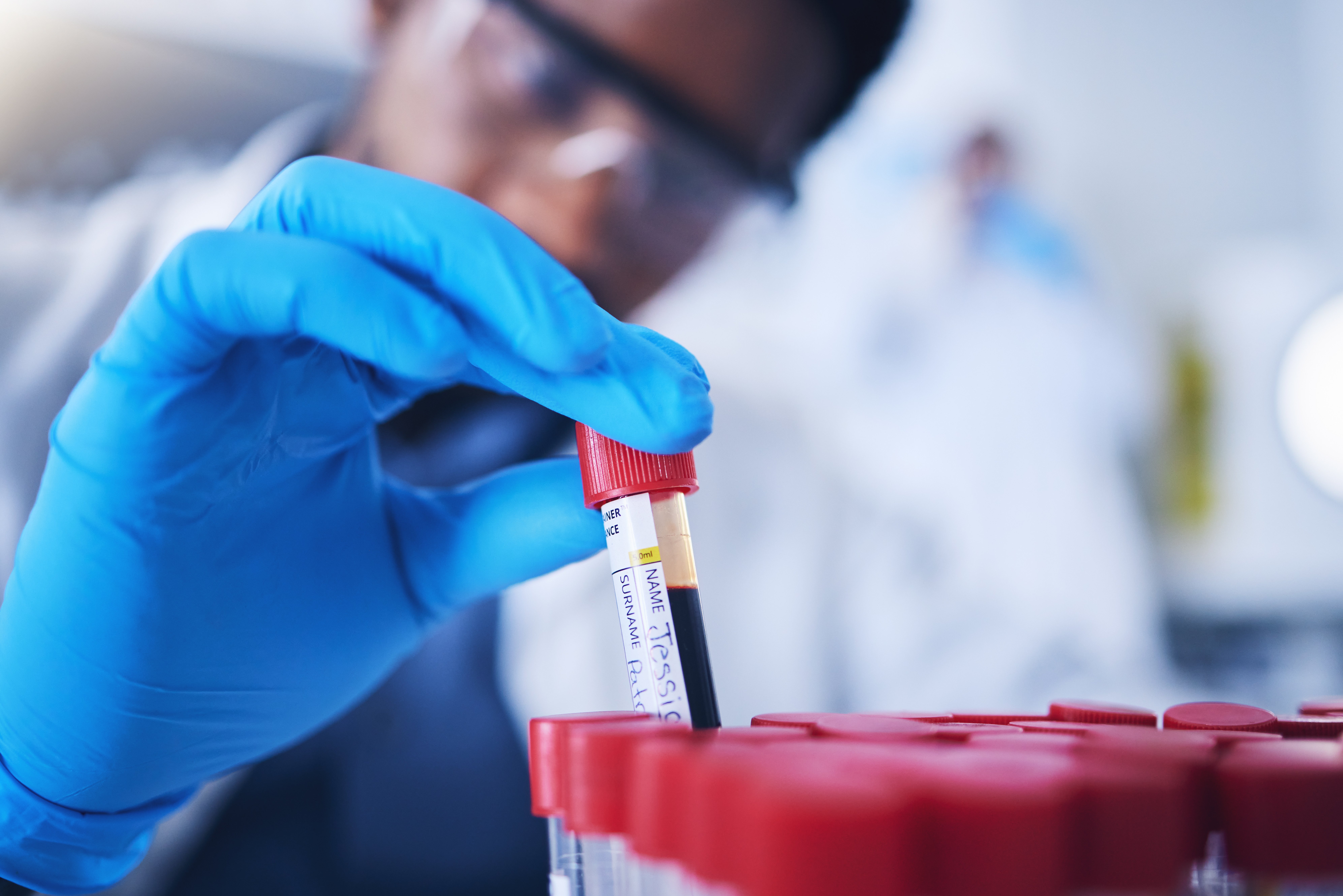
Bleeding disorders don’t always look the way you’d expect, and they don’t always show up in obvious ways. For many people, they show up quietly through frequent bruising, heavy periods, or bleeding that doesn’t seem to stop. Though millions of people live with bleeding disorders, many of them, especially women, go undiagnosed. During Bleeding Disorders Awareness Month, we’re taking a closer look at what bleeding disorders are, how they affect the body, and what it actually means to live with one.
What is a bleeding disorder?
According to the American Association of Hematology, bleeding disorders are “a group of conditions that result when the blood cannot clot properly.” While blood platelets typically stick together to form a gel plug that allows for healing and the prevention of blood loss, in people with bleeding disorders, they don’t work very well. Because the platelets can’t clot correctly, this leads to excessive bleeding. As a result, people with bleeding disorders bleed longer, bruise more easily, and are prone to nosebleeds and/or heavy periods.
Symptoms of bleeding disorders include:
- Easy bruising
- Heavy bleeding from small cuts
- Bleeding gums
- Unexpected nose bleeds
- Heavy menstrual bleeding
- Excessive bleeding post-surgery
Common bleeding disorders
Common bleeding disorders include conditions like hemophilia and von Willebrand disease, which affect how the blood clots and can cause some people to bleed more easily than others.
Hemophilia: While hemophilia is likely the most well-known bleeding disorder, it’s pretty rare. An inherited disorder, hemophilia occurs when certain changes in genetics prevent the body from making proteins that help the blood clots form, also known as clotting factors.
According to Cleveland Clinic, there are three types of hemophilia: A, B, and C. Each type is designated by which clotting factor is missing or not working properly, with A being the most common and C being the least common.
von Willebrand disease: von Willebrand disease is the most common bleeding disorder. Cleveland Clinic describes how von Willebrand disease occurs “when you don’t have enough functioning von Willebrand factor(VWF),” which is a protein that helps clot blood.
Like hemophilia, von Willebrand disorder is inherited. There are three types of von Willebrand disease: Types 1, 2, and 3. Each type is designated by how much VWF a person has and how well it works.
Platelet disorders: The Cleveland Clinic describes platelet disorders as“conditions that impact how many platelets you have or how they work.” They can be inherited or result from an underlying medical condition or medication. The three main types of platelet disorders are: thrombocytosis, thrombocytopenia, and platelet dysfunction.
Diagnosis and treatment
Bleeding disorders are diagnosed through a combination of patient history, physical exams, and blood tests, such as Complete Blood Count (CBC), Prothrombin Time (PT), and Activated Partial Thromboplastin Time (aPTT), fibrinogen tests, and clotting factor tests.
According to MedlinePlus, treatment ultimately depends on the type of bleeding disorder you have and can involve:
- Platelet or plasma transfusion
- Clotting factor replacement
- Medication
- Gene therapy
Bleeding disorders can look different from person to person, but they all share one thing in common: they often go unnoticed or misunderstood. Whether you’re managing your own symptoms or supporting a loved one, understanding how these conditions affect the body is an important first step towards better care and support. With the right diagnosis, treatment plan, and medical guidance, people with bleeding disorders can manage their symptoms and live full, healthy lives.
To learn more about treatment and research or to get care for yourself or a loved one, visit the Massachusetts General Hospital Bleeding Disorders Center.