
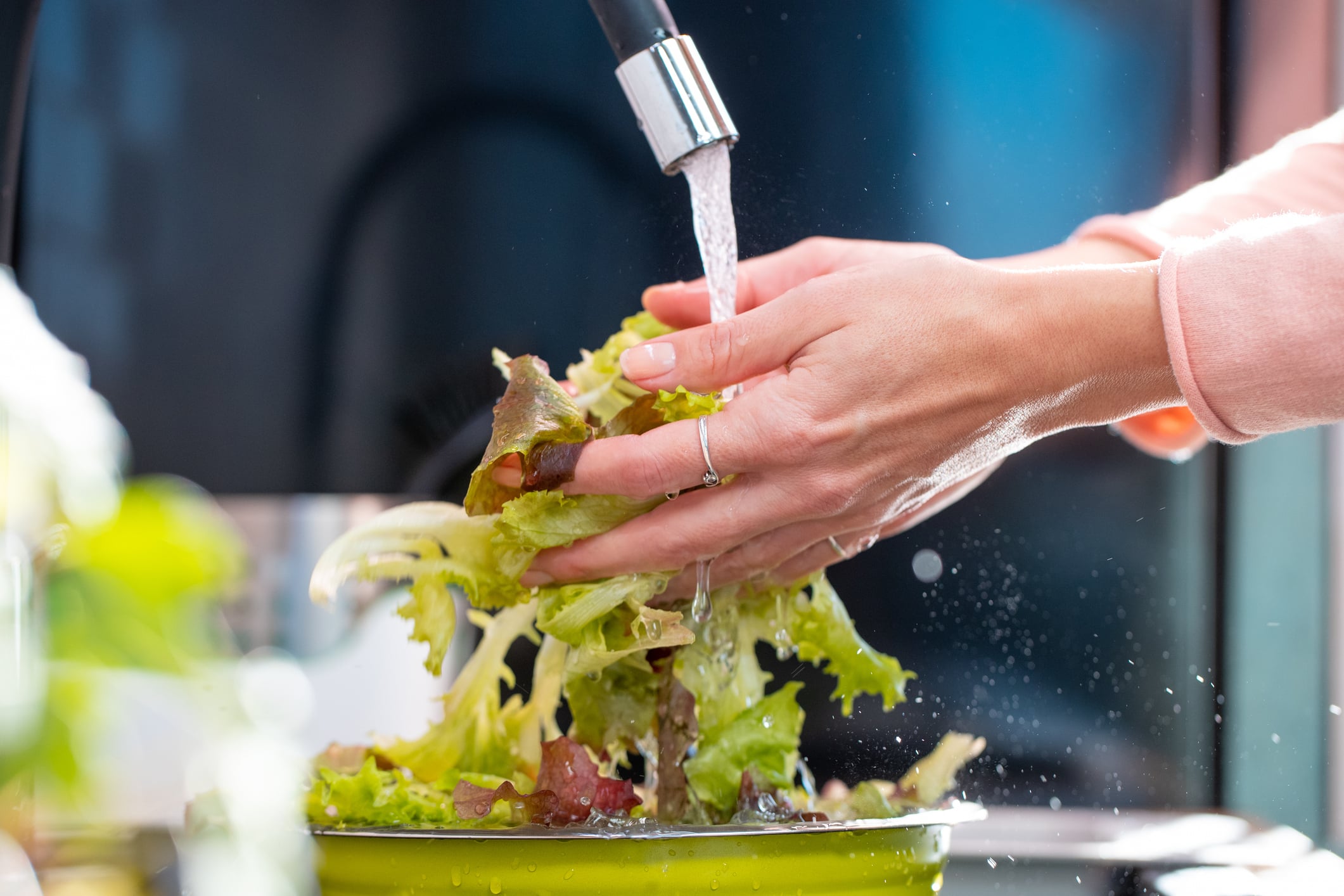
Lately, cyclosporiasis has been making headlines everywhere. The intestinal illness caused by the parasite Cyclospora has affected people across at least 47 states. The US Centers for Disease Control and Prevention (CDC) reports over 10,000 confirmed cases and over 12,000 suspected cases, with at least 4,000 of those coming from Michigan alone. The current outbreak is linked to contaminated lettuce, and at least one brand of shredded lettuce, Taylor Farms, has been recalled.
“It is important that anyone who has this recalled lettuce discard it,” says Dr. Paul Sax, an infectious diseases physician at Brigham and Women’s Hospital and professor of medicine at Harvard Medical School. “Do not attempt to wash and then eat this lettuce." This is because cyclosporiasis has a tough outer shell that makes it resistant to standard washing and chemical disinfectants.
“Beyond that, the usual prevention advice still applies: wash fresh fruits and vegetables before eating them,” he says. “But don’t give up these healthy foods entirely, despite what some media reports may suggest—or state outright.”
While you can’t always tell when food is contaminated, following a few food safety steps can reduce your risk of foodborne illnesses (food poisoning).
How to practice food safety
Food safety refers to the practice of handling, preparing, and storing food safely to prevent contamination and food poisoning. Whether you’re working in a restaurant or making dinner at home, practicing food safety is vital. Keep the four Cs of food safety in mind whenever you’re working in your kitchen: cleaning, cooking, chilling, and cross-contamination.
Start with these tips from the CDC:
- Thoroughly wash your hands and surfaces
First and foremost, wash your hands before handling any food. Wash them again after touching raw chicken, uncooked meat, seafood, flour, or eggs, as all those foods carry Salmonella risk. To properly wash your hands, do so for at least 20 seconds, and be sure to get your fingers and nails too.
Keeping your surfaces clean is another important part of food safety. You should wash your cutting boards, utensils, and countertops with hot, soapy water after preparing each food item. Rinse any fresh fruit or vegetables under running water before you start cooking them. - Prevent cross-contamination by separating your foods
Raw chicken, uncooked meat, seafood, and eggs can contaminate ready-to-eat foods unless you keep them separate, both at home when cooking and in your grocery cart at the store.
When grocery shopping: Separate raw chicken, uncooked meat, and seafood from the rest of your groceries. Be sure these items are properly sealed, so their juices don’t leak onto other foods.
When storing food: Keep those foods, plus eggs, stored away from other foods in your refrigerator. While eggs are fine in their container, raw chicken, uncooked meat, and seafood should be stored in sealed containers or wrapped securely.
When preparing food: Use separate plates and cutting boards for food items that need to be cooked and those that don’t. - Check the internal temperature to know when your food is done
When the internal temperature of your food gets high enough to kill germs that can cause illness, your food is considered done.
Just remember: looking at the color and texture of your food to determine if it’s done cooking isn’t necessarily reliable. You should always use a food thermometer to check the internal temperature before you serve your food.
Use this resource from FoodSafety.gov to learn more about safe internal temperatures for different kinds of food.
What happens if you get cyclosporiasis?
The good news is that cyclosporiasis is not typically deadly or life-threatening. Unfortunately, it causes severe, long-lasting gastrointestinal problems, including watery diarrhea.
According to Cleveland Clinic, symptoms include:
- Bloating
- Loss of appetite
- Fatigue
- Low-grade fever
- Stomach cramps
- Nausea
- Vomiting
Cyclosporiasis is diagnosed via a stool (fecal matter) test and is treated with antibiotics, such as trimethoprim/sulfamethoxazole (TMP/SMX). Your provider will usually also recommend antidiarrheal medications and hydration, which may include IV fluids.
With proper treatment, most people feel better in a couple of weeks, though occasional recurrences of diarrhea may last up to a month. Left untreated, your symptoms can last for a month or more, leaving you susceptible to severe dehydration and other complications.
Anyone can be affected by food poisoning, but simple habits can lower your risk. Washing your hands, surfaces, and fruits and vegetables, keeping raw foods separate, and cooking them to a safe internal temperature can help protect you and your family from foodborne illnesses. When food safety becomes part of your everyday routine, these steps will become second nature.

Contributor: Paul Edward Sax, MD
Clinical Director, Division of Infectious Diseases
Bruce A. Beal and Robert L. Beal Endowed Chair in Infectious Diseases
Professor of Medicine, Harvard Medical School
Infectious Disease