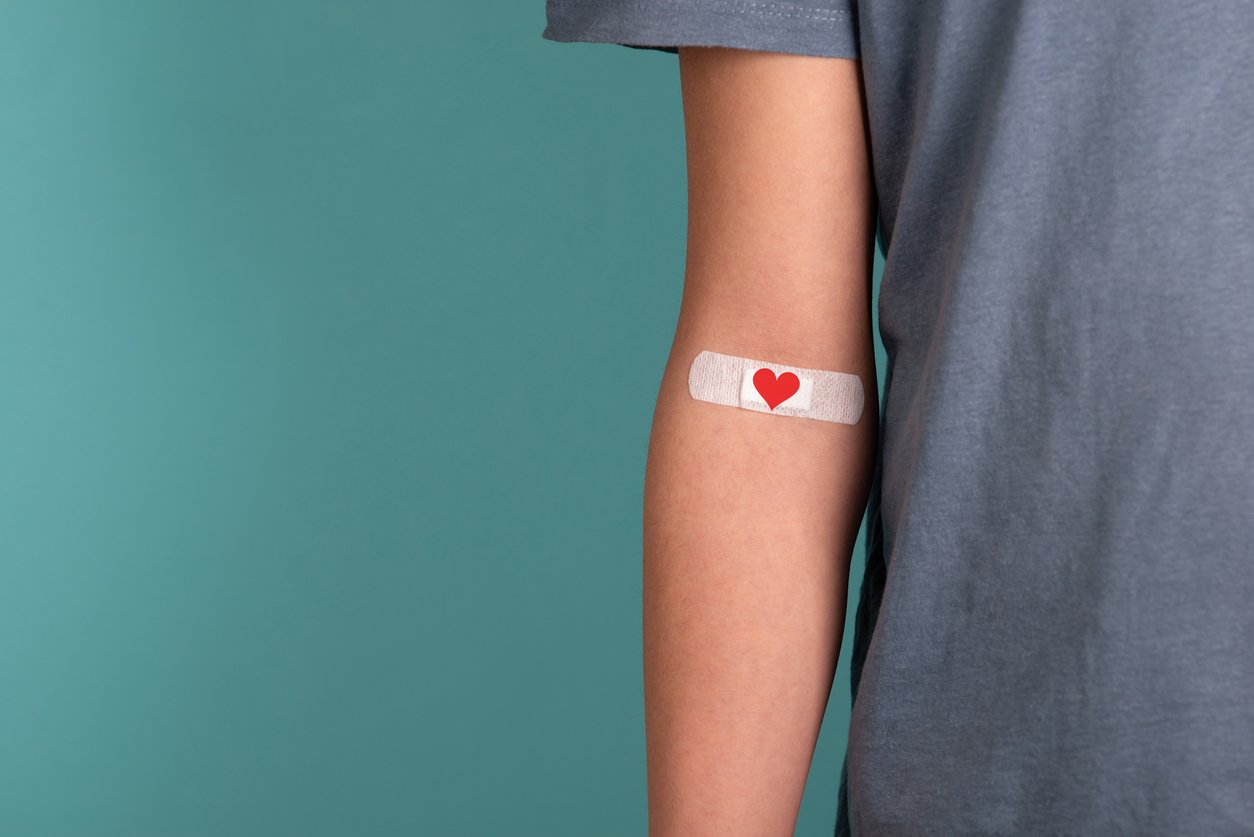
“Every two seconds someone in the U.S. needs blood.” During National Blood Donor Month, it’s important to highlight this statistic from the American Red Cross. Donating blood is a simple but effective way to help others in need. Whether you're a seasoned donor or considering your first appointment, it's important to know what to expect and how to prepare for a blood donation.
Making an appointment
You can donate blood if you’re in good health, at least 17 years old, and weigh more than 110 pounds. Blood type O-negative is the universal donor, making it one of the most urgently needed types, but all blood types are welcomed.
Organizations like the Red Cross host blood drives across the country. The Kraft Family Blood Donor Center has locations at Brigham and Women’s Hospital and Mass General Hospital as well as mobile blood drives via the Mass General Bloodmobile. Check their websites to find a time and location that works for you and easily book an appointment online or by phone.
How to prepare for your blood donation
To ensure you have the best experience possible, it's important to prepare before your appointment. Here's how:
- Drink plenty of water
Drinking water in the hours leading up to your appointment helps keep your veins accessible and makes the donation process smoother. The Red Cross recommends drinking at least 16 ounces of water before your visit. - Eat a healthy meal
You don't want to donate blood on an empty stomach. Eating a balanced meal with a good mix of proteins, iron, and vitamins can help keep you energized and prevent dizziness. However, it’s recommended to avoid fatty foods. - Wear comfortable clothing
Wear a short-sleeved shirt or something you can easily roll up for the blood draw. Comfort is key, especially if you're feeling nervous. - Bring a friend (optional)
If it's your first time donating blood or if you're feeling unsure about the process, consider bringing a friend or having someone drive you. It can be reassuring to have a support system.
What to expect at your appointment
Now that you're prepped, here’s what you can expect when you arrive for your blood donation.
- Initial screening
At your appointment, you’ll go through a quick screening process. A staff member will ask about your health history, medications, and any recent activities (like foreign travel) that could affect your ability to donate. Staff will take a small amount of blood for testing. They will also check your blood pressure, pulse, and iron levels. - Donation time
Once you're cleared, you'll be seated in a comfortable chair. A whole blood donation typically takes less than 15 minutes. Platelet, plasma, or red blood cell donations can take between 80-120 minutes. - Relax
During the donation, it's important to remain calm and relaxed. You’re welcome to listen to music, read, or chat with other donors and staff. If you're feeling lightheaded or uncomfortable at any point, let the staff know.
After your donation: Recovering and replenishing
Once your donation is complete, it's time to recover and rehydrate. Here's how you can make sure you're feeling your best afterward:
- Drink water to rehydrate
Your body will need fluids to replace what was lost during the donation, so be sure to drink plenty of water after your appointment. - Eat something sweet
Immediately after your donation, you'll be offered snacks, often juice and cookies or other sugary foods. These snacks help boost your blood sugar levels and give you an energy kick. - Avoid alcohol
For the first 24 hours after donating, it's best to avoid alcohol. This helps your body fully recover from the donation process. - Schedule your next donation
Blood donation can be a regular commitment. Your donation can make an enormous difference, and the benefit of your donation is multiplied when you make it a regular commitment. Depending on the type of donation, you may be able to donate again in a few weeks to a few months. You can donate whole blood once every 56 days (about every two months). If you're donating platelets, you can do so more frequently, usually once every seven days. Be sure to schedule your next appointment while you're at the donation center to continue making a difference.
Donating blood is a safe and rewarding way to give back to your community. Whether you're donating for the first time or you’ve made it a regular habit, your donation helps others in need. Book your appointment today to help save lives.